
What to Do If Storm Roof Inspection Reveals Major Structural Flaws in Casa Linda TX
When the skies open up over Casa Linda, we know that severe weather-be it a hailstorm or high winds-can leave behind visible damage that feels overwhelming. Seeing those telltale signs of failure-missing shingles, streaks of dirt, or obvious tears-is stressful enough. But when you hear the phrase “major structural flaws” coming from an inspector, your anxiety level spikes immediately. It sounds terrifying, complex, and expensive all at once.
Ask us about expert Storm Damage Roof Repair services – we handle it from start to finish.
Take a deep breath. You are not alone in this worry. Dealing with severe storm damage is emotionally draining, financially alarming, and incredibly confusing because so much of what concerns us-the actual danger-is hidden from view. As David Miller has seen over twenty years working on roofs right here in the Texas Hill Country, we understand that the greatest danger isn't always the visible hole you can see; it’s the slow, silent water intrusion underneath. It’s the mold and structural wood rot caused by those tiny leaks that go unnoticed until it’s too late. Our goal today is to give you a clear, confident playbook so that when your storm roof inspection reveals major structural flaws, you know exactly who to call, what questions to ask, and most importantly, how to protect your family's biggest investment: your home.
The First Step After a Storm: Don't Panic, Assess.
The moment a severe weather event hits the Casa Linda area, the immediate instinct is often panic, followed by a deep worry about what happens next. Before any professional can even walk onto your property, you need to stabilize the situation and protect yourself from secondary damage. This first phase is all about managing safety and gathering information.
Learn more about roofing you can trust.
Immediate Safety Measures:
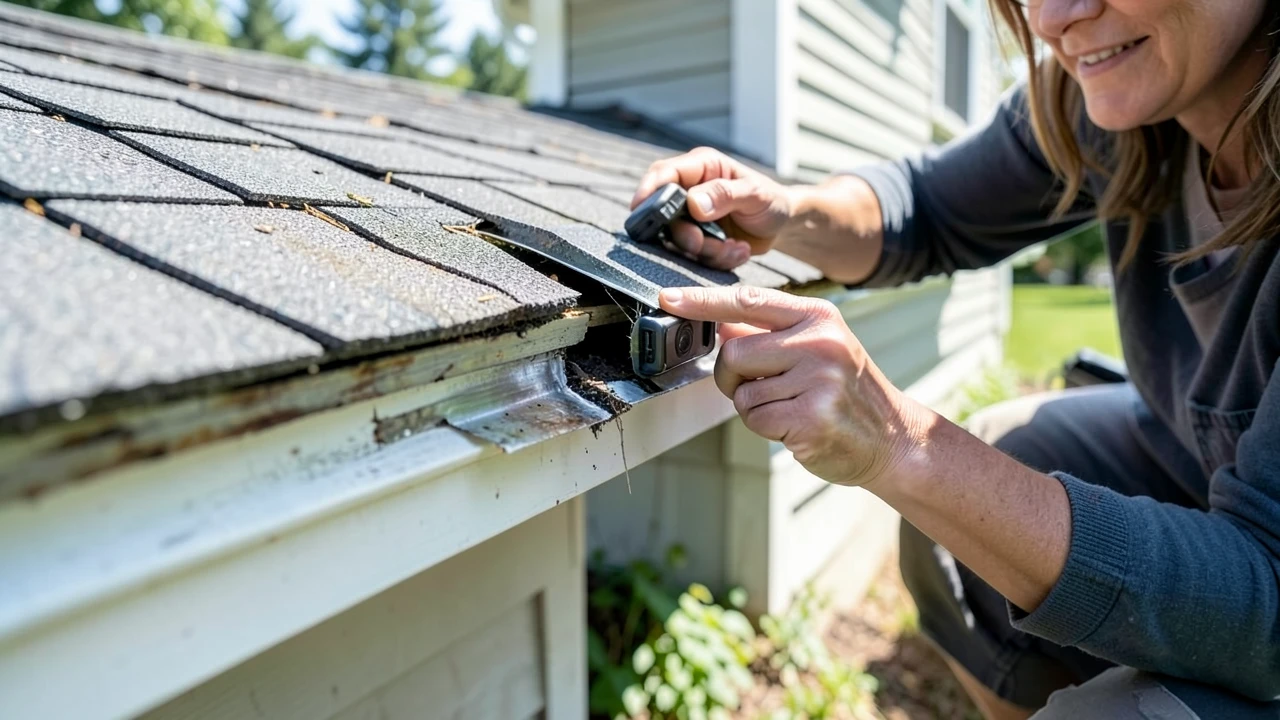
First and foremost, determine if the home is safe for entry. If there are signs of compromised gutters, loose flashing, or visible sagging that suggest a high risk of collapse, stay out. Your physical safety comes before your roof repair timeline. For temporary measures-before any professional help arrives-focus on preventing secondary water ingress. This might mean strategically placing tarps over the most damaged sections to keep the bulk of the rain off compromised areas and ensuring gutters are clear enough to manage runoff until a proper assessment can be made.
Document Everything You Can:
Documentation is your most powerful tool during this process, giving you a sense of control when everything else feels chaotic. Before any contractor or inspector touches anything, take photographs and videos. Capture the visible damage: missing shingles, damaged flashing around chimneys, clear signs of granule loss, and any noticeable discoloration on siding or gutters. This photographic evidence will be crucial later for both insurance claims and your own comparative assessment of quotes.
Understanding Hidden Damage (The David Miller Perspective):
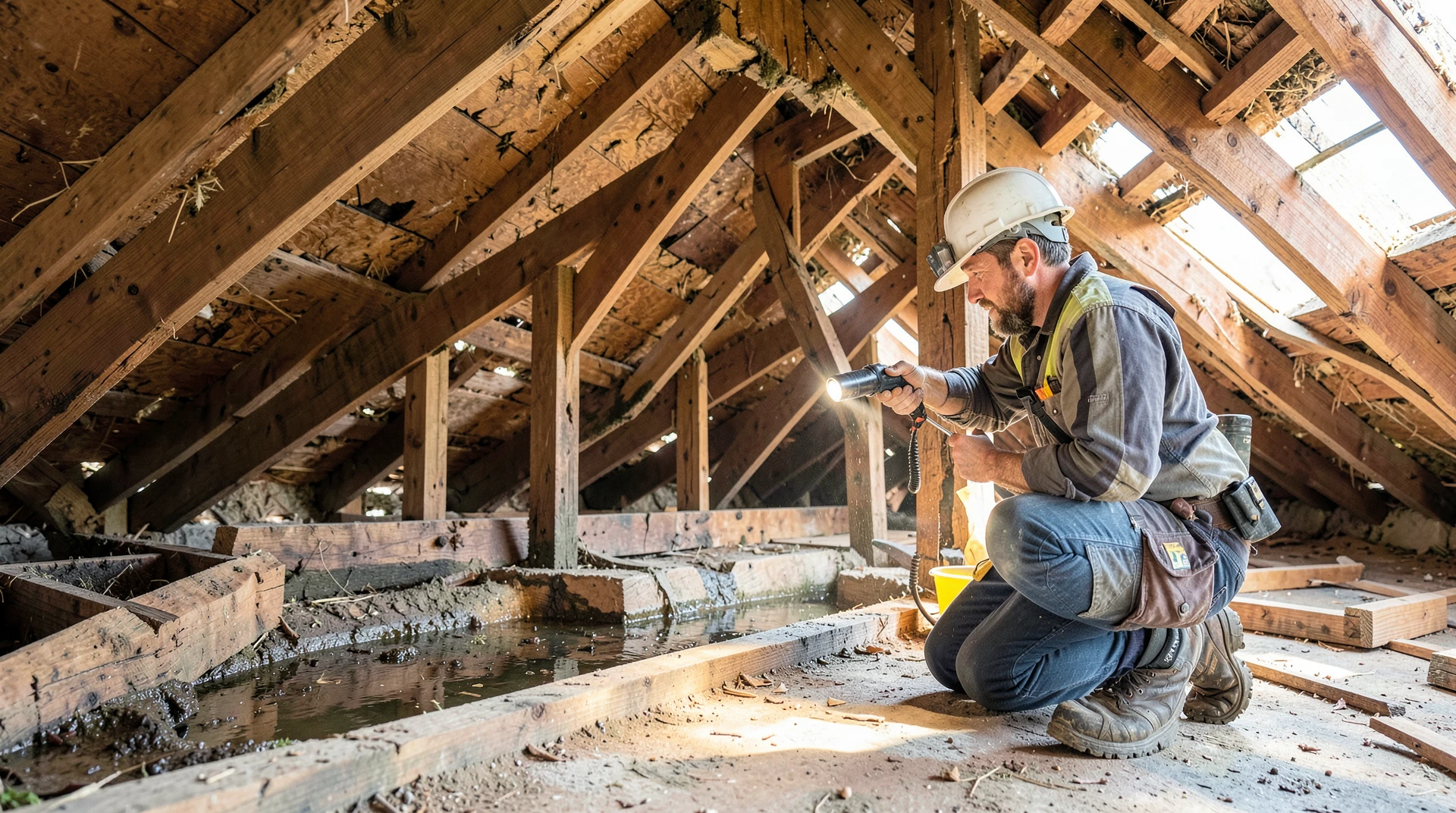
This is where understanding structural flaws moves beyond aesthetics. Many homeowners assume that a roofer only needs to fix the missing shingles. But structurally, once water gets through, it starts its destructive path downward. It compromises the underlayment (the protective layer beneath the shingles), weakens the decking (the plywood or OSB boards supporting everything), and can encourage wood rot in the rafters and trusses. My decades of experience have taught me that the true cost of a roof problem is always the water damage and mold remediation that follows the initial leak; prevention is everything. Recognizing this hidden danger is the key to understanding what what to do if storm roof inspection reveals major structural flaws truly entails.
Understanding the Inspection: What Does 'Major Structural Flaws' Really Mean?
The term "structural flaw" can sound like something ripped from a specialized engineering textbook, which only increases homeowner stress. We need to demystify this language so you know exactly what you are paying for and why it matters.
A structural flaw is not just about missing shingles or tears in the visible roofing material. It refers to any component of the roof system-from the flashing that seals your chimney to the decking boards underneath-that has been compromised by water, rot, impact, or age. The inspector needs to determine if the foundation of the roof itself is sound.
Cosmetic Repair vs. Structural Remediation:
It's vital to understand this distinction because it directly impacts cost and longevity.
- Cosmetic Repair: This involves patching visible damage-replacing a few shingles, sealing minor cracks in flashing, or replacing small sections of underlayment. This is ideal if the underlying structure remains sound.
- Structural Remediation: This means that the core components are compromised. If the decking boards are soft, spongy, or rotten due to sustained leaks, simply putting new materials on top won't work; those new materials will eventually leak through the weakened support underneath. Major structural flaws require replacing these compromised foundational elements before any shingle can be laid down.
When your inspector points out major issues, they are warning you that a simple patch job is not enough to provide lasting value and peace of mind in the unpredictable Texas climate. This deep dive into the structure helps determine if localized repairs or full replacement is necessary.
Vetting Your Contractors:
Because this process involves such high stakes and cost, your due diligence must be thorough. Never choose a contractor simply because they are the highest bidder or the easiest to find on Google Maps. Look for local credentials and specific experience handling severe Texas weather events. A reputable company will use clear, objective language during their inspection, detailing exactly why a component is compromised (e.g., "Decking over the garage section shows signs of wet rot," not just "We need new decking"). Furthermore, always remember that getting a second opinion on the scope of work is absolutely wise; it’s a right you have as a homeowner.
Repair vs. Replacement: Making the Right Call for Long-Term Value
This discussion is often the most stressful part of dealing with storm damage because the cost gap between "repair" and "replacement" can seem immense. However, understanding this critical decision point is key to protecting your long-term investment. When does localized repair stop being an option and become a financial risk?
Signs You Need a Full Overhaul:
If the structural evaluation reveals that the water has penetrated deep into the roof cavity-meaning multiple trusses or rafter tails are soft, wet, or show signs of mold-you have crossed the line from simple damage to systemic failure. Think of your house like the human body: if the backbone (the structure) is compromised at the foundation level, patching a single broken bone won't fix the whole thing; the entire system needs assessment and rebuilding.
If an inspector suggests remediation efforts that involve replacing more than 20-30% of the underlying decking or truss work, it is often a strong indicator that the roof system has reached its end of life and requires a full roof replacement. Attempting to patch major structural flaws repeatedly just postpones the inevitable.
Comparing Materials for Texas Extremes:
When you do replace, material choices become crucial for longevity in our extreme climate. While premium asphalt shingles are a common choice, considering materials like metal roofing or specific impact-resistant composite shingles can offer superior durability against future hail and high winds. A local expert will guide you through these options based on your budget, aesthetic preference, and the severity of the structural stress the house is currently under.
Ultimately, when major structural flaws are revealed, a full roof replacement isn't just about replacing the visible materials; it’s a comprehensive effort to protect the home’s entire investment from future water damage, mold remediation costs, and costly setbacks down the line. This protective overhaul is your best defense against expensive surprises.
Navigating Insurance Claims and Unexpected Costs
Financial anxiety often overshadows the physical damage itself. Dealing with insurance claims and unexpected costs can feel like navigating a maze of confusing paperwork and high-pressure sales tactics. We need to approach this process step by meticulous step.
Your Claim Timeline Playbook:
- Do Not Pay Yet: Never pay for major repairs or structural remediation work until your insurance claim is officially underway and you have an adjuster assigned. You want the insurer's assessment included in the scope of work from day one.
- File Promptly: Document everything (photos, police reports if applicable) and file the necessary claims forms immediately after the weather event has passed and safety has been established.
- Review Everything: Once an estimate comes in-whether from your insurer's adjuster or a contractor-review every line item to ensure you understand exactly what is being billed for.
Addressing Surprise Costs with Local Care:
The fear of being overcharged by non-local, large corporate outfits is completely valid. This is why choosing a reputable local roofer who has deep roots in the Casa Linda community matters so much. A trustworthy contractor provides transparent estimates and itemized quotes before any work starts. They don't use high-pressure sales tactics; they walk you through the necessity of every component, explaining why that specific flashing replacement is needed to prevent a catastrophic leak years down the road.
Understanding Coverage:
It’s crucial to know what insurance typically covers (the physical damage caused by the storm event) versus what it doesn't cover (pre-existing wear and tear or necessary structural upgrades beyond basic restoration). Managing this financial expectation upfront is critical for planning your budget and avoiding disputes later on.
Finally, always prioritize securing a comprehensive warranty-one that covers both materials and labor-for years to come. This gives you the lasting peace of mind that true professionalism provides.
Securing Your Home's Protection: The Path Forward
Dealing with structural flaws revealed during a storm inspection is overwhelming, but remember that this revelation is not an end; it is simply a detailed map showing where attention must be focused to ensure your home’s future stability. As David Miller has personally guided dozens of homeowners through these exact situations in the Casa Linda and Keller Springs areas, I want you to leave here feeling empowered, not panicked.
The true process-the storm damage roof repair process-is a systematic journey: it starts with accurate initial leak detection and structural assessment; moves through precise remediation (fixing those major flaws); and culminates in meticulous cleanup and the handing over of a comprehensive warranty. Professional roofing care means nothing left behind but a solid, sealed structure that can withstand whatever Texas throws at it next.
We understand that dealing with local weather requires deep, hyperlocal knowledge-knowing where the runoff patterns are, knowing the history of storm damage on specific neighborhood streets, and knowing how to get a rapid response when the heavy rains hit. This local expertise is invaluable.
If you've recently experienced severe weather, or if you have concerns about what what to do if storm roof inspection reveals major structural flaws, please remember that you don't have to tackle this alone. Instead of acting in panic, we encourage a simple step: Schedule a free, no-obligation consultation with us for an honest assessment of your roof’s structural soundness. We promise clear communication, detailed transparency, and nothing but expert advice tailored specifically for the Casa Linda community.