
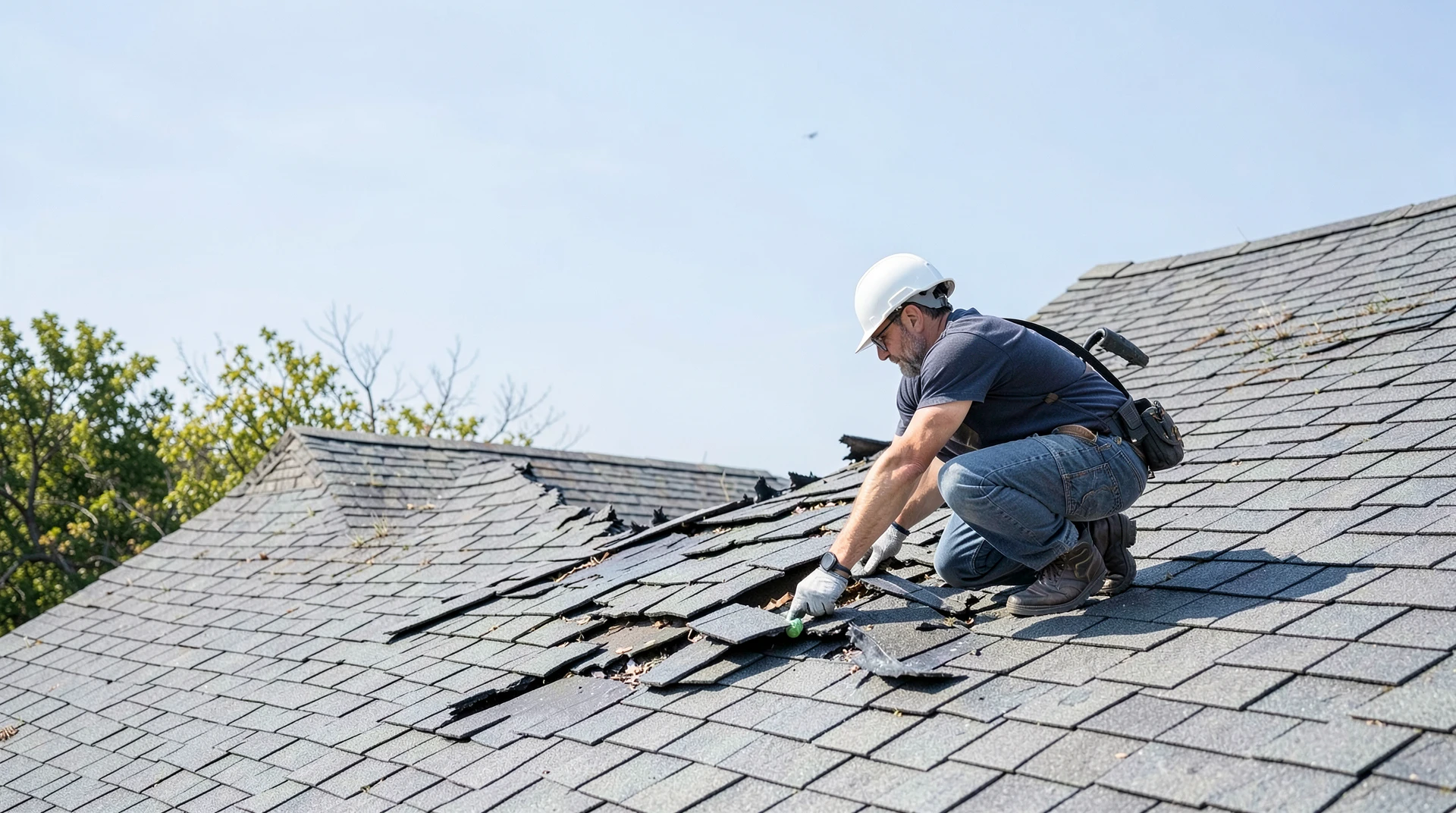
When a severe weather event hits-be it high winds, hail, or heavy rain-the sight of damage on your roof can be terrifying. It immediately triggers anxiety about cost, insurance claims, and the uncertain timeline of repairs. You are likely searching for answers regarding repaired wind damaged roof warranty information, and you aren't alone. This isn't just about shingles; it’s about protecting your family and maintaining your home's foundational value.
As local roofing experts here in Casa Linda, we know that the moment a storm passes, the sheer volume of conflicting advice makes homeowners feel overwhelmed. Our job is to cut through the noise. We want to give you clear, neighborly guidance on what to do immediately, how warranties actually function after wind damage, and most importantly, why delaying a professional assessment for your professional residential roofing care is the single riskiest thing you can do right now.
When a Storm Hits: What to Do Immediately After Wind Damage
The instinct in a crisis is often to fix it yourself or rush an inspection before anyone arrives. I need to be very clear about this: your safety and proper documentation are paramount. Before we even discuss warranties, let's talk immediate action protocol.
First and foremost, safety is always the number one priority. If there are visible signs of structural damage-a sagging section, exposed decking, or loose fascia-do not go onto the roof yourself. Keep family members and pets safely inside until a professional has assessed the risk.
Once safety is confirmed, you can perform an initial visual assessment. This "walk-around" isn't meant to diagnose the entire problem, but rather to gather crucial evidence. Are there missing shingles? Is any flashing visibly lifted or separated from the wall? Note obvious signs like gaps in seams or sections where underlayment may be exposed. Take clear photos of everything you find-these pictures are not just for your eyes; they are critical pieces of documentation required by insurance adjusters and claim assessors.
Next, temporary mitigation comes into play. If a leak is actively dripping inside the house, you can stabilize that immediate area using caution-perhaps positioning buckets under known drip points or covering visible leaks with approved tarps. However, we must stress: this is stop-gap protection only. These temporary measures are designed to keep the water out right now, but they do not constitute a permanent repair and should never be relied upon for structural integrity.
Finally, here is arguably the most critical piece of advice: Call a professional before you attempt any major fixes or structural stabilization. Trying to "patch it up" yourself-even with good intentions-can inadvertently make the situation worse, hide underlying damage, or complicate your claim process by creating undocumented work. We are here to ensure that every action taken, from this point forward, is properly documented and aligns with your best interests.
Understanding Your Warranty When Wind Damage Occurs
When a storm hits, people often assume their roof warranty covers everything-and it doesn't. This is where understanding the difference between three key concepts (warranty, insurance, and local expertise) becomes vital for grasping repaired wind damaged roof warranty information.
Warranty vs. Insurance: Knowing Your Coverage Pillars
The most common mistake homeowners make is confusing these two financial safeguards. Think of them this way:
- Warranty: This covers defects in the materials or labor-it guarantees that the roofing company used quality products and installed them correctly, regardless of external forces (e.g., a shingle cracking due to poor adhesive).
- Insurance: This is an agreement with a third party (your insurer) that covers damage resulting from specific, unpredictable events, such as wind, hail, or fire.
If the shingles are blown off by a sudden gust of wind, your insurance claim handles the event; your warranty may help cover if the initial installation was flawed and contributed to the failure. Knowing which layer is responsible for what saves you immense time and money later on.
Reviewing Documentation and the 'Void' Risk
When reviewing your existing documents-your original contract, material specifications, or manufacturer’s warranty booklet-look closely at the fine print regarding storm damage. Many warranties have strict requirements, often mandating that all repairs must be done by licensed contractors approved by the warranty provider.
You must also understand the 'Void' Risk. A warranty can easily be voided for reasons outside of our control, such as: delaying necessary repairs past a specified timeframe, using unauthorized subcontractors who don't follow manufacturer guidelines, or failing to clear debris according to local ordinance. Establishing proper documentation from day one is your best defense against this risk.
Warranty Transferability
A question we hear often around Casa Linda pertains to moving or partial replacement. Generally speaking, if you move and the roof was fully replaced with new materials under a transferable warranty (like certain metal roofing systems), that warranty can transfer. However, if you are only replacing small sections due to wind damage, the transferred coverage usually applies only to the newly installed material and labor, not necessarily the entire original system.
Decoding Repairs vs. Replacement: Making Sense of Wind Damage Costs
When looking at storm damage estimates, you will encounter a bewildering mix of terms: "minor repair," "system assessment," "full replacement," and "compromised decking." Understanding this scope challenge is essential before you can even discuss repaired wind damaged roof warranty information.
Sometimes, the visible wound-say, three missing shingles on one side-is just the tip of a much larger iceberg. A small tear in the shingle layer may reveal that the underlying plywood sheathing (the decking) has compromised due to age, moisture intrusion, or previous stress points. If the foundation is weak, simply patching the surface doesn't solve the problem; it requires structural replacement of the damaged wood beneath. If the underlying structure is compromised, even a seemingly minor issue with your flat roofing system requires professional attention to prevent further decay.
We categorize damage into tiers:
- Minor Repair: Addressing only visible surface damage (e.g., replacing a handful of shingles). This is usually appropriate if the roof is relatively young and structurally sound.
- Full System Replacement: Replacing everything from the decking up through the new shingle layer. This is often necessary when major weather events expose accumulated stress, compromised flashing, or widespread material failure.
Addressing cost anxiety directly: experienced local contractors like us provide phased estimates. We separate the damage assessment and investigation fee (which identifies all issues) from the actual repair/replacement cost. This transparency ensures you are never blindsided by unexpected bills that pop up after the initial quote is given.
Ultimately, while a small repair might seem cheaper in the short term, if major weather events have occurred over several years, repeatedly patching the roof can be more expensive and far less reliable than performing a full, foundational replacement when the chance for catastrophic failure is high.
The True Cost of Delay: Why Inspection Before Repair Matters
I’ve spent twenty-four years in this trade, and I've learned one universal truth that every homeowner needs to hear: the true cost of a roof problem is always the water damage and mold remediation that follows the initial leak; prevention is everything.
When you focus only on the visible signs-the missing shingles-you are ignoring the real crisis happening underneath. A small, persistent leak doesn't just ruin shingle granules; it starts a slow decay process: it rots rafters, compromises insulation, and creates conditions ripe for mold growth within your home’s structure. This hidden damage is often far more expensive to fix than the original roof itself.
A thorough pre-damage assessment (the inspection) identifies these critical, underlying issues-like flashing failure in valleys or compromised underlayment-before they become catastrophic leaks during the next heavy rainstorm. For example, we recently inspected a home in Casa Linda that looked fine to the casual observer, but our inspection revealed decades of failed metal flashing that was actively channeling water directly into the attic rafters. Catching that before a storm meant preventing tens of thousands of dollars in mold remediation and structural repair costs.
Furthermore, positioning your professional inspection as essential for maximizing insurance payouts is non-negotiable. When an adjuster views a comprehensive report detailing compromised underlayment and flashing failure-documentation only available through a thorough inspection-it significantly strengthens your claim file compared to merely pointing out missing shingles.
Choosing local expertise here in the Casa Linda area means we don't just look at roofs; we know this specific region's unique wind patterns, historic building codes, and common weather-related vulnerabilities. This deep knowledge is what reduces risk for you, the homeowner.

A Path to Peace of Mind: Your Next Steps After Storm Damage
After reviewing all these complex topics-from warranty nuances to structural decay-the goal isn't panic or immediate commitment. It’s peace of mind and a clear action plan. The most important step is taking control through knowledge.
We recommend starting with the low-stress assessment consultation. This initial meeting should be purely informational. Our goal is not to sell you anything on the spot; it is simply to provide an honest, unbiased assessment of your property's current condition and outline what should happen next. We treat this as a neighborhood service call, not a high-pressure sales pitch.
While we encourage homeowners to get multiple expert views-which is smart due diligence-always frame your comparisons by looking at documentation standards. Ask every contractor: "What specific evidence will you provide for the claim?" and "Will this estimate separate assessment costs from repair/replacement costs?" This focus on transparency weeds out unreliable services.
Once the plan is finalized, the process is straightforward: Expert Inspection $
ightarrow$ Detailed Estimate Review (understanding your repaired wind damaged roof warranty information) $
ightarrow$ Insurance Claim Filing $
ightarrow$ Scheduled Repair $
ightarrow$ Immaculate Cleanup. Keeping this sequence simple and reassuring helps eliminate much of the stress associated with storm damage.
If you are worried about what a recent severe weather event might have done to your home, don't wait until the next heavy rain hits. Give us a quick call for an honest assessment; we treat your home like our own, right here in Casa Linda, and guide you toward reliable peace of mind that lasts for years.