

Why Are There Missing Shingles After Severe Storm Damage? Understanding the Science of Roof Failure
If you’ve recently woken up to see patches of exposed roof deck or find that sections of your shingles are mysteriously missing after a severe storm, take a deep breath. We know how stressful and anxiety-inducing it is to look at visible damage on your home, especially when dealing with high insurance deductibles and the stress of unpredictable Texas weather. It’s natural to panic and wonder if you need an entirely new roof immediately. But before calling any contractor, it’s vital to understand why that damage occurred.
Ask us about Metal Roofing services – we handle it from start to finish.
The primary question we field every storm season is: why are there missing shingles after severe storm damage? The answer is rarely just "the wind blew them off." It's usually a combination of direct mechanical force and pre-existing weaknesses in the roof system itself. As your trusted, local roofing experts right here in Casa Linda, we want to give you an honest, straightforward explanation so you can make informed decisions about your home’s safety and longevity.
Learn more about why homeowners choose Rock Line Roofing.
When a Storm Hits: Understanding Missing Shingles After Severe Damage
First, let's demystify the damage. While visible bare spots are alarming, understanding the forces behind them helps us pinpoint the root cause-and thus, the correct repair method.
Missing shingles aren't always just ripped away by brute wind force. The roof system is complex, and severe storms involve multiple types of destructive energy:
- Direct Impact (Hail): Hail doesn’t just dent; it can impact seams and edges with concentrated force, lifting or peeling back the overlapping layers that hold the shingle in place.
- Extreme Pressure Changes: Severe weather events, such as microbursts-localized columns of extremely powerful wind-can create dramatic pressure differentials under the roof. This sudden change in air pressure acts like a vacuum, peeling shingles and seams away from the underlying structure.
- Shear Force: High winds exert sheer force on the entire roof plane. If the fasteners or the underlying felt layer are weak, this horizontal pull can rip sections off cleanly.
The core reason why are there missing shingles after severe storm damage is often a layered problem: direct impact plus compromised underlying materials that were already weakened by age or poor maintenance before the event struck.
Beyond just counting the bare spots, you need to perform an immediate visual assessment for other signs of deep trouble:
- Internal Staining: Look at your attic space (if safe). Water stains on drywall or wood framing indicate water intrusion points that may be far smaller than the missing shingles suggest.
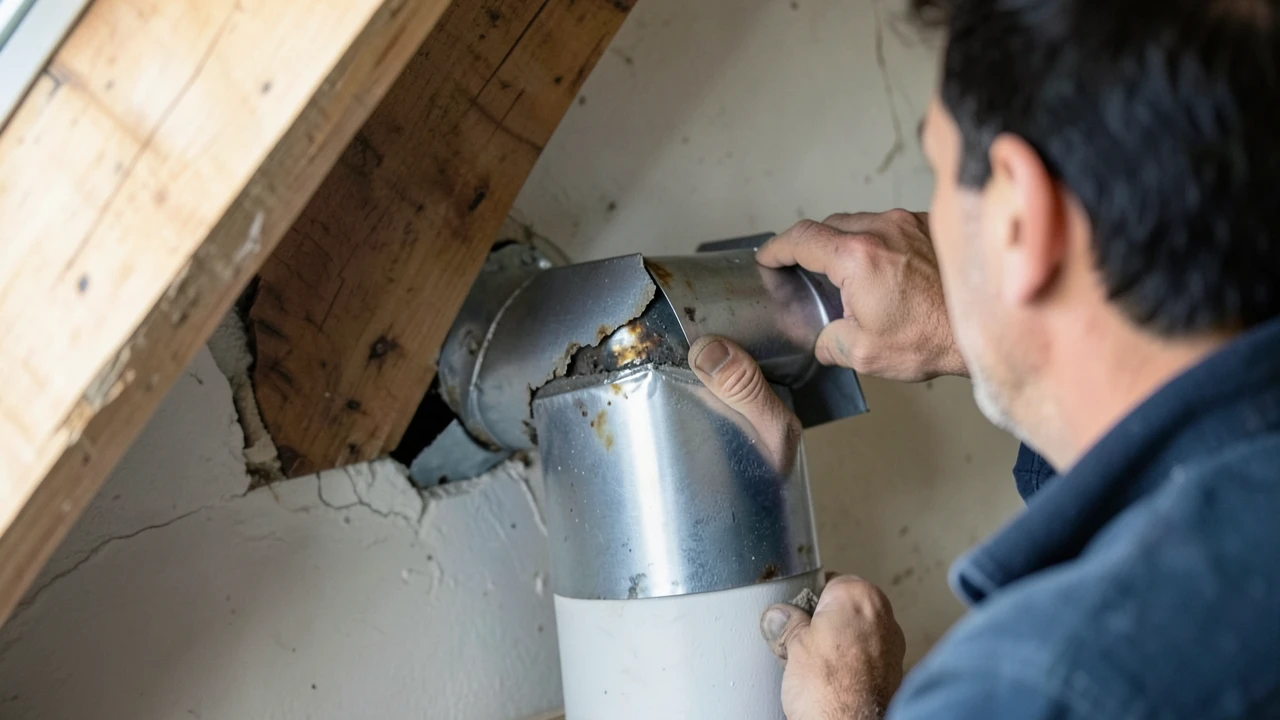
- Flashing Peeling: Check around penetrations like vents, chimneys, and plumbing stacks. Flashing is metal material designed to seal gaps; if it's peeling or corroded, water will find a way in, regardless of how many shingles you replace.
- Granule Wash-Off: If granules (the protective grit on the shingle) have been washed away in large patches, it means the shingle’s outer protection layer is compromised and its lifespan has dramatically decreased.
The Crucial Difference: Is It a Quick Repair or a Full Replacement?
This is arguably the most stressful conversation for homeowners. You see damage, you call us, and you worry instantly about roof replacement cost Casa Linda will be. We never want you to feel blindsided by unexpected costs. Understanding this distinction is key to protecting your budget and ensuring structural safety.
A proper storm damage roof repair inspection goes far beyond simply counting missing shingles. To determine the actual scope of work, we must assess the entire system.
We look at three levels of integrity:
- The Visible Layer (Shingles): The surface you see every day. We count these and note where they are compromised by storm damage.
- The Protective Layer (Underlayment/Felt): This is the critical, unseen layer beneath the shingles. If this felt material has been torn, mildewed, or compromised-even if only a few shingles are missing-the roof cannot function properly and requires replacement of this entire system.
- The Structural Core (Decking/Supports): We check for signs that the decking boards underneath have warped, rotted, or sustained impact damage from previous leaks or weather cycles.
Sometimes, a handful of missing shingles is an isolated patch job; other times, they are warning signs-like leaky seams and compromised underlayments-that indicate the entire roof system has reached its natural end of life. Our experience allows us to distinguish between these two scenarios quickly, ensuring you get a clear cost estimate for necessary repairs or full replacement.
Beyond the Shingles: Why Water Damage is the Real Cost
As I’ve found over my twenty years in this trade, the true financial and structural cost of roof damage is rarely just the missing shingles themselves; it's the water intrusion and mold remediation that follows a leak. This perspective is critical for every homeowner we serve.
Think of your roof as your home's foundational shield. When that shield develops even a small gap, the immediate problem isn't the hole-it's the resulting moisture. Even minor gaps or poorly sealed flashing areas allow water to seep into the attic space, creating an unseen danger zone. This water doesn’t just sit there; it begins the slow process of damaging insulation, warping framing lumber, and eventually rotting the decking.
This hidden damage is where major long-term costs build up. Mold growth, for instance, thrives in this trapped moisture and can pose serious health risks. Addressing mold or structural rot requires more than simply nailing down a few shingles; it requires drying out the space, removing compromised materials, and often replacing sections of the underlying structure entirely.
Our goal isn't just to patch the roof and get you back to "normal." Our promise to the Casa Linda community is to restore your home’s foundational safety, eliminate the source of future leaks, and give you genuine peace of mind that lasts for years. Prevention-and addressing the source of the leak-is everything.
Choosing the Right Defense: Repair vs. Long-Term Roofing Materials
Once we have assessed the damage and understood the potential water threat, we help homeowners weigh their options through a conversation about repair versus replacement.
When Are Repairs Enough?
If the underlying decking is sound, the underlayment is intact (or can be repaired without massive tears), and the storm damage was highly localized-meaning only a small section of shingles are missing and the surrounding materials are healthy-then yes, we may recommend targeted repairs. These smaller sections can often be fixed with matching materials to restore your immediate weather barrier.
Knowing When to Upgrade (Full Replacement)
If multiple areas show signs of age alongside storm damage, or if the underlayment has been compromised by years of leaks and moisture cycles, trying to patch it becomes a risky game of chance. In these cases, delaying a full roof replacement only makes future repairs more expensive and structurally unsound down the line.
When materials are being considered, remember that there is no one-size-fits-all solution. If you live in an area prone to high winds or significant hail, we can discuss premium options:
- Metal Roofing: Offers exceptional longevity and superior impact resistance. While the upfront cost may be higher, its lifespan and minimal maintenance often make it a better long-term value than traditional asphalt.
- Architectural Shingles: These premium shingles provide vastly improved wind uplift protection compared to standard asphalt options.
Most importantly, when you invest in a new roof, always ensure your warranty covers both materials and labor. Given the unpredictable nature of severe Texas weather events, this comprehensive coverage is non-negotiable peace of mind.
Restoring Your Home’s Shield: Next Steps After Storm Damage
Dealing with storm damage feels overwhelming-a massive task that seems too big to tackle alone. But taking the right first step makes everything manageable. Here is our simple action plan checklist for you in Casa Linda:
- Visual Check (Safety First): Do a quick, safe visual inspection from the ground for obvious gaps or tears. If you see an immediate leak-especially after rain-call us immediately.
- Document Everything: Take clear photos of all visible damage, including peeling flashing and bare spots. This documentation is invaluable whether dealing with insurance claims or simply getting a full picture for our assessment.
- Call the Local Expert: Do not rely on general contractors who are unfamiliar with the nuances of local weather patterns or Casa Linda's specific construction styles. Call us-local experts who treat your home like it’s ours.
We offer an honest, no-obligation storm damage roof repair inspection. Our goal is simply to provide you with clear answers and transparent pricing so that you never feel blindsided by unexpected bills. We are here in the neighborhood because we understand what homeowners need: reliability, transparency, and a crew that will treat your property with respect.
Don't wait until a small seep becomes a major stain on your ceiling. Give us a quick call for an honest assessment today. Let us help you get back on solid ground quickly and restore your home’s protective shield.