

If you’ve just noticed that tell-tale water stain-a dark patch on your ceiling or a slow drip dripping into your attic space, especially after a heavy rain in the Casa Linda area-your immediate reaction is likely anxiety. You might think, "It's just one small spot," and plan to ignore it until the next storm passes. But I’m here to tell you: never treat a leak like a superficial issue.
When I first started working on roofs after restoring my grandfather's ranch house in the Hill Country, what taught me was that roofing isn't just about shingles; it's entirely about foundations and water management. We are talking about structural integrity here, not just cosmetic damage. If you’re dealing with leaks around a chimney penetration, you aren't just dealing with a hole-you are dealing with an entry point for decades of potential secondary, costly damage.
A chimney is one of the most complicated points on any roof system. It acts as a junction where three different materials meet: your primary roofing material (shingles, metal, etc.), the rigid masonry structure of the chimney itself, and the flashing-the specialized metal seal that keeps water out. These three elements are prone to failure over time because they experience completely different types of stress. Over years of thermal expansion, severe Texas storms, and general settling, this complex seal begins to fail. Our job isn't just patching holes; it’s providing lasting peace of mind by addressing the true root cause of the water intrusion before a small drip turns into a massive headache involving mold remediation or structural rot.
Why Are Chimneys So Vulnerable? The Anatomy of a Leak
To truly understand how to find affordable solutions for chimney penetration roof repairs, you first need to know why these areas are such vulnerable points in your home's defense system. It’s not the chimney itself; it’s the meeting point that creates the weakness.
The primary culprit is almost always flashing failure. Flashing is essentially the metal or specialized material designed to direct water away from a critical junction. Over time, this flashing degrades for several reasons: age, poor initial installation by previous contractors, or movement caused by severe local weather events-whether it's high winds or ground shift. When flashing fails, the roof structure loses its primary shield.
I like to use an analogy with my neighbors in Keller Springs when I explain water damage. Think of a leaky garden hose: even if the tear is microscopic, that tiny gap will continually draw moisture into the surrounding soil until it becomes a major problem. That’s what happens under your roof. The principle is called capillary action. Tiny gaps and hairline cracks don't just leak; they actively pull ambient moisture from the underlying structure-the wood decking, the rafters-into the roofing system itself.
Beyond the main flashing panels, there are other critical failure points you should know about:
- Deteriorated Mortar Joints: The bricks of the chimney settle and shift. If the mortar between them wears away or cracks, water can seep into the masonry structure, compromising its integrity before it even reaches the roof line.
- Flue Pipe Seals: Where the metal flue pipe (the part that vents smoke) enters the main roofline, the seal is often a point of weakness because it involves multiple materials-metal meeting roofing material.
When we approach an inspection, I always want to pre-empt the worry about scope creep. A good professional assessment won't just look at the visible drip; it determines if the issue is merely superficial (a small tear in the flashing) or if it requires deeper structural work on the masonry itself. This upfront honesty is what builds trust and ensures that any solution we provide will be comprehensive, not just temporary.
Moving Beyond Patches: Comprehensive Solutions for Chimney Penetration
The biggest mistake I see homeowners making-and this is something I advise against every time-is falling for a "quick patch job." A quick patch might temporarily stop the drip, but it rarely addresses the underlying structural or material failure. These patches often fail again because they don't account for the full range of movement and weather stress that your roof experiences.
When we talk about finding affordable solutions for chimney penetration roof repairs, we are not talking about the cheapest option; we are talking about the most effective solution-the one that prevents exponentially higher costs down the line.
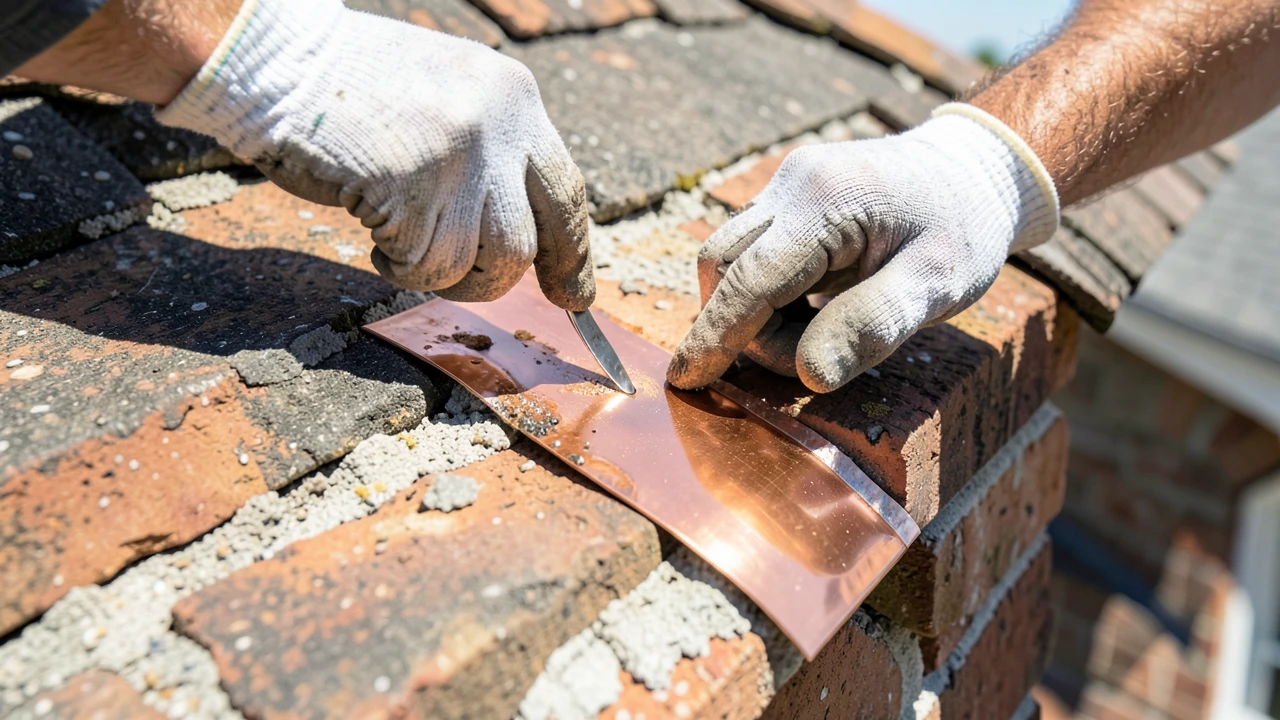
A professional, comprehensive repair requires redundancy and superior materials. We don't just use roofing tar; we utilize specialized re-flashing techniques with durable materials like copper, lead, or advanced rubberized membranes that are designed to conform perfectly to your unique roof pitch and chimney structure. These methods involve several crucial steps:
- Thorough Cleaning: Removing all years of accumulated debris, loose paint, and deteriorated mortar first. You can't seal something if the surface is dirty or unstable.
- Mortar Stabilization: Addressing any compromised brickwork or loose joints before applying new metal seals.
- Secondary Flashing Layers: Installing multiple layers of flashing materials that overlap and reinforce each other, providing a safety net even if one layer gives way.
Let me share an anecdote: I once repaired a leak where the owner had used standard roofing cement to fill the gap. It looked good for two weeks. Then, during the next rainstorm, it washed out completely. This taught me that proper re-flashing must be done with materials designed for decades of movement and exposure.
We ensure affordability by being upfront about what's needed. We structure our estimates so you understand that investing in a quality solution now saves you from facing thousands in structural water damage remediation later on. It’s an investment in peace of mind, not just shingles.
Is My Chimney Leak Symptomatic of Something Bigger? Beyond the Flashing
If your chimney seal has failed, please know that I advise you to view it as a warning sign for overall roof health, not just a single point of failure. This is where my 24 years in this trade really comes into play. The truth is, when one part of the system fails-especially a critical junction like the chimney seal-it often means other parts are already stressed or nearing the end of their lifespan.
Sometimes homeowners focus only on the flashing and forget about what else is happening up there. I always guide them to look for these secondary signs:
- Excessive Granule Loss: If you see a disproportionate amount of granule loss (the protective coating) on shingles immediately adjacent to the chimney, it suggests that water has been running down the surface, eroding protection over time.
- Visible Rust Stains: Streaks of rust spreading down masonry or through flashing are strong indicators of active water penetration and ongoing corrosion.
- Unexplained Damp Patches in Attics: If you find damp spots in areas far from any obvious leak source, it means moisture is tracking through the roof cavity structure itself.
Because of these associated risks, we often recommend preventative measures that go beyond simple flashing replacement. These upgrades might include:
- Applying specialized protective coatings to existing masonry structures to seal out future water ingress.
- Or, if the roofing material is nearing end-of-life, discussing a superior upgrade-like transitioning from standard asphalt shingles to metal roofing or slate & tile-that offers far greater longevity and resilience against severe Texas storms and hail damage.
The goal here is simple: Positioning a full roof assessment now can save you tens of thousands later. Making an initial investment in preventative care is the most affordable move you can make for your home's long-term value.
Securing Your Home's Peace of Mind with Local Experts
When it comes to something as crucial and complicated as affordable solutions for chimney penetration roof repairs, choosing a contractor isn't just about the lowest bid; it’s about trust, expertise, and local reliability. At Rock Line Roofing, we treat every single job in the Casa Linda area like it is our own neighborhood investment.
We understand that dealing with leaks can feel overwhelming, especially when you worry about upselling or unexpected cleanup messes. Our promise to you is transparency. We provide clear, honest assessments and upfront pricing so that you never feel blindsided by a massive bill at the end of the day. We take pride in our meticulous process-from initial inspection right down to the final clean-up, ensuring your property looks nothing but solid afterward.
The true value we offer is peace of mind. Reconfirming that achieving truly affordable solutions for chimney penetration roof repairs requires more than just sealing a hole; this expertise is what we bring to your job site when discussing roofing in Lawson, TX. That expertise is what we bring to your job site.
If you've noticed any signs-a faint stain, strange damp patches, or even just general worry about how severe Texas storms affect old structures-please don’t wait until it gets worse. Don't let a small drip become a monumental headache. Give us a quick call for a complimentary, no-obligation inspection right here in the Casa Linda region. We show up with our local knowledge and clear answers so you can get back to enjoying your home without the worry of leaks overhead. If you’ve noticed any signs-a faint stain, strange damp patches, or even just general worry about how severe Texas storms affect old structures-it is wise to get a quote on the roofing project before it worsens.